Virtual Reality Layers Enhance Classic Reel Mechanics on Mobile Casino Devices
Ben Vogel · Oct 19, 2026
Virtual Reality Layers Enhance Classic Reel Mechanics on Mobile Casino Devices
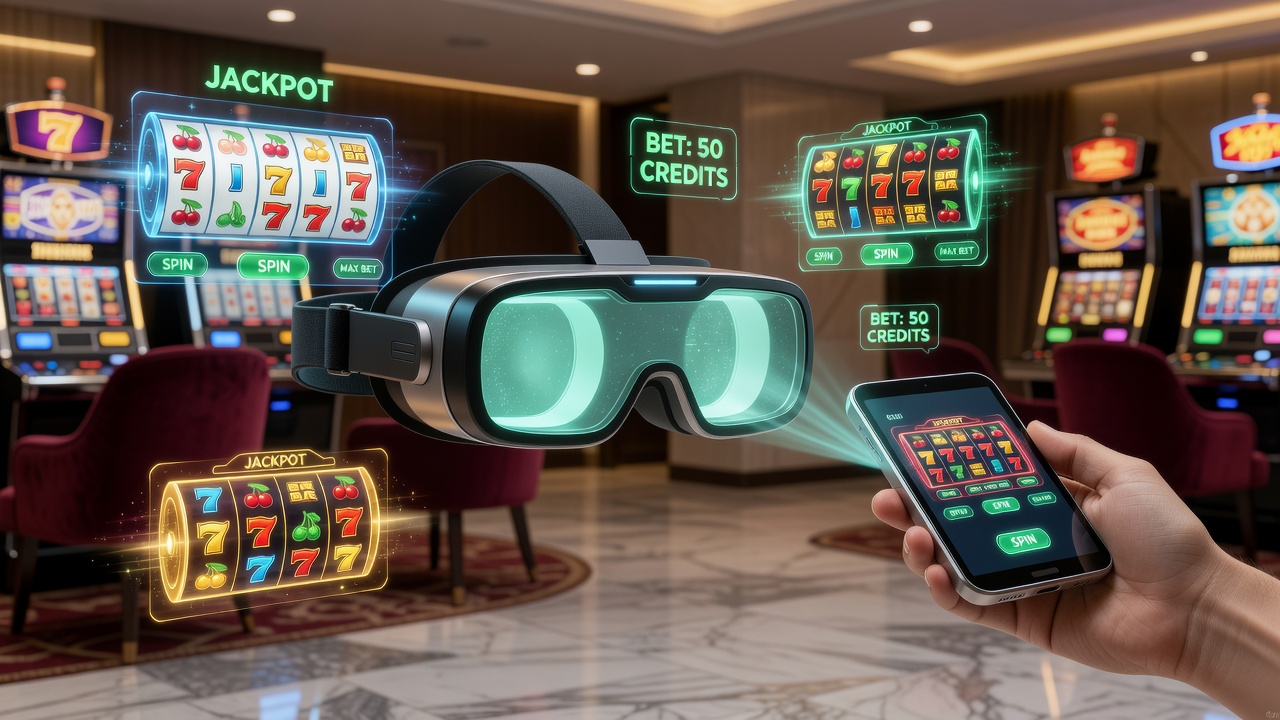
Portable casino platforms continue to merge virtual reality components with established slot formats, creating hybrid experiences that retain core reel mechanics while adding spatial depth and interactive layers. Developers integrate 3D environments around traditional paylines, allowing users to view spinning symbols within simulated casino floors or themed worlds accessible through standard smartphones and tablets. This approach builds on existing mobile slot structures rather than replacing them entirely, so players maintain familiar spin-and-win loops while encountering VR-enhanced features such as rotatable viewpoints and depth-adjusted animations.
Technical Foundations Supporting the Integration
Hardware improvements in mobile processors and display resolutions have enabled these fusions since the mid-2020s, with graphics engines now handling real-time rendering of layered VR elements without requiring dedicated headsets. Software frameworks combine Unity or Unreal Engine modules with lightweight VR toolkits optimized for touchscreens, letting users swipe to adjust camera angles around static reels or trigger brief immersive sequences during bonus rounds. Data from industry monitoring shows adoption rates rising steadily through 2025 and into October 2026, as operators update existing apps rather than launching separate VR-only titles.
Network requirements remain modest because most implementations stream only supplementary visual assets while core game logic stays on-device, reducing latency issues common in full virtual environments. Compatibility extends across iOS and Android devices meeting basic GPU thresholds, which broadens reach beyond early adopters who own high-end hardware.
Gameplay Adjustments Observed in Current Titles
Traditional slot titles receive VR additions through modular updates that preserve payout structures and volatility profiles. Symbols gain subtle three-dimensional rotation during wins, while background scenes shift perspective based on device tilt sensors. Bonus features sometimes expand into short navigable spaces where players select objects in a 360-degree view before returning to the main reel set. Observers note these changes keep session lengths comparable to standard mobile play, avoiding the extended immersion typical of dedicated VR casinos.
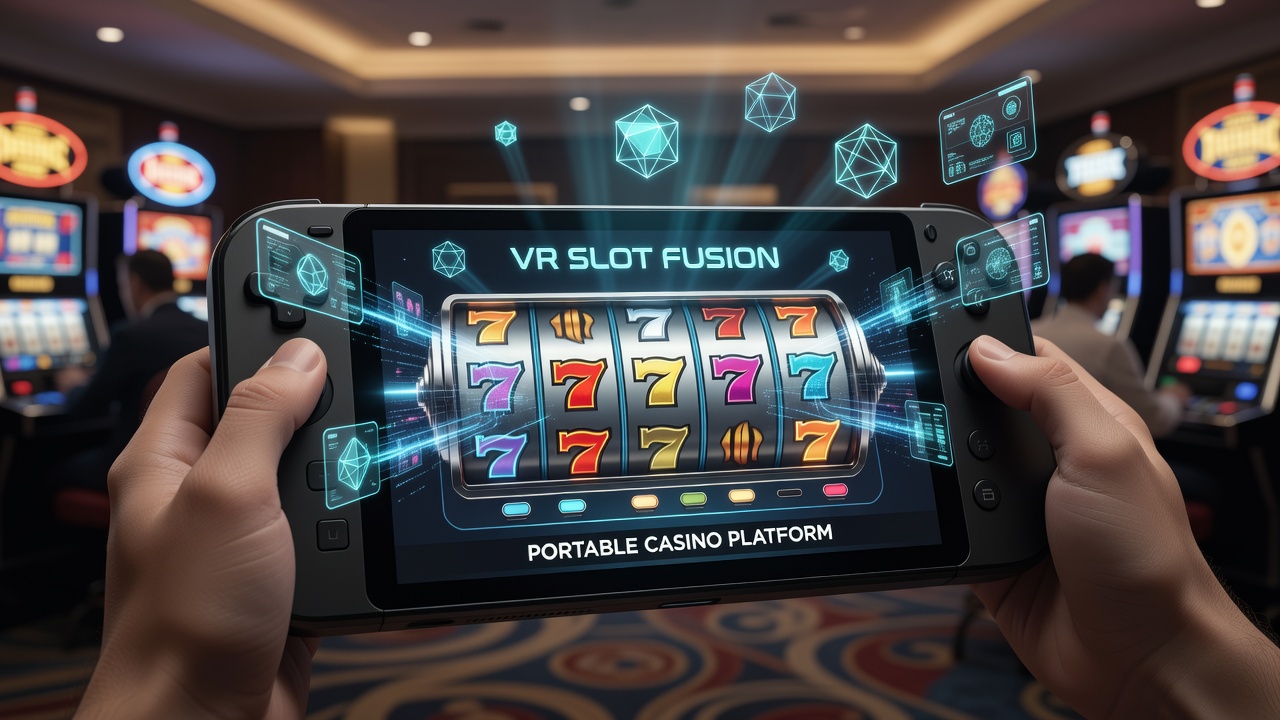
Case examples include several progressive jackpot games that introduced VR treasure rooms accessible after specific symbol combinations, yet maintained the same return-to-player percentages reported prior to the updates. Developers achieve this balance by mapping VR interactions to optional overlays instead of mandatory sequences, giving users control over how much additional visual complexity they engage with during each spin cycle.
Industry Data and Regional Developments
Reports compiled by the Nevada Gaming Control Board indicate that mobile slots incorporating VR elements accounted for an increasing share of total handle in regulated markets through mid-2026. Participation metrics reveal steady engagement among users who already play conventional mobile slots, with session frequency showing minimal deviation after VR features were added. A separate analysis from the University of Sydney's Gambling Research Unit found comparable patterns in Australian digital gaming data, where hybrid titles maintained average bet sizes while extending average play duration by small margins due to the novelty of perspective shifts.
Operators in multiple jurisdictions track these metrics through anonymized app analytics, confirming that the fusion does not alter responsible gaming indicators such as deposit frequency or time spent per session in statistically significant ways.
Platform Compatibility and Accessibility Factors
Portable implementations prioritize accessibility by offering VR toggles that default to off, allowing gradual introduction for players unfamiliar with spatial interfaces. Touch controls replace motion tracking in most cases, although some titles support optional Bluetooth controllers for enhanced navigation within bonus environments. This design choice keeps barriers low for users on mid-range devices while still delivering noticeable visual upgrades to those with compatible hardware.
Updates rolled out in October 2026 by several major providers standardized file sizes for VR asset packs, ensuring downloads remain feasible over mobile data connections without excessive storage demands on user devices.
Conclusion
The documented pattern shows virtual reality elements serving as additive layers rather than replacements for traditional slot frameworks on portable platforms. Continued refinement of mobile rendering capabilities and cross-device standardization supports further gradual integration, with current implementations preserving established gameplay rhythms and regulatory compliance metrics across monitored markets.